Cross-Connection Control & Backflow Prevention Program
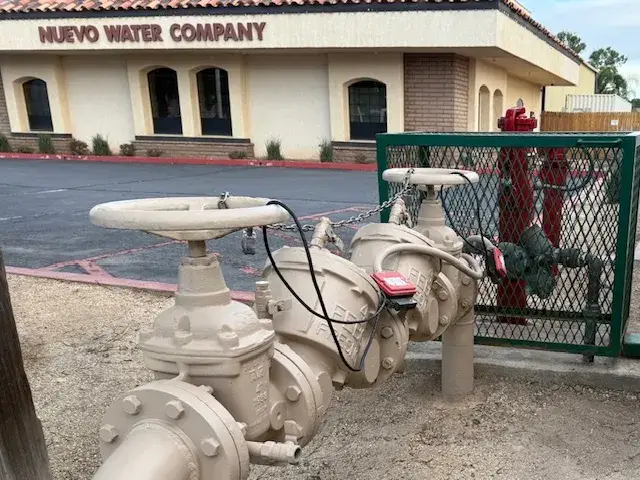
Nuevo Water Company (NWC) is required by the State Water Resources Control Board (SWRCB) to maintain a Cross-Connection Control Program that protects the public drinking water supply from contamination.
NWC’s Cross-Connection Control Program and Backflow Prevention webpage serves as the primary public outreach and education resource for customers, and the community about backflow protection and cross-connection control requirements.
As an NWC customer, you play a key role in keeping our community’s water safe. Here you will find information on what cross-connections are, how backflow occurs, and how NWC protects the Public Water System (PWS).
Purpose of a Cross-Connection Control Program
The purpose of a cross-connection control program is to prevent the occurrence of backflow into a PWS distribution system and protect customers from contamination or pollution caused by on-site hazards.
A PWS must, at all times, protect its distribution system from actual or potential cross-connections or threats posed by conditions commonly found on a user’s premises.

What Is a Cross-Connection?
A cross-connection is any actual or potential connection between the public drinking water system and a non-potable (unsafe) water source.
- Irrigation systems
- Fire sprinkler systems
- Pools, spas, or water features
- Chemical tanks or pressurized systems
- Auxiliary water supplies (wells, pumps, etc.)
What Is Backflow?
Backflow is the undesired or unintended reversal of water flow, allowing water or other substances to enter the public water system or approved water supply. Backsiphonage occurs due to negative pressure conditions such as water main breaks, high water demand (firefighting or hydrant use), or sudden drops in system pressure. Backpressure occurs when pressure on the customer’s side exceeds pressure in the PWS, such as from pumps, boilers, elevated tanks, or pressurized systems.
Why Are Backflow Prevention Assemblies Required?
NWC must ensure that all actual or potential cross-connections are either eliminated or protected by approved Backflow Prevention Assemblies or an approved air gap. These protections are required by state law and NWC’s Cross-Connection Control Ordinance when a hazard exists and are essential to preventing contamination of the PWS. The following sections explain the types of backflow prevention assemblies used by NWC and the requirements for installation, maintenance, replacement and testing.
Backflow Prevention Assemblies – What They Do
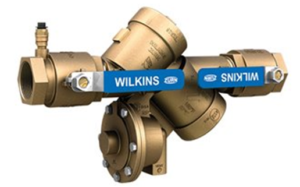
Backflow prevention assemblies prevent contaminated water from flowing backward into the potable water system. Installation requirements include installation directly downstream of the meter, lead-free materials, compliance with NWC standard drawings, and listing on the USC Approved Assembly List.
📎 NWC Standard Drawing
Upgrading or Replacing Assemblies
If current installation of the backflow prevention assembly is non-compliant with NWC’s Standard Drawing or lacks current USC approval, it must be reconfigured or replaced to meet requirements if the following occurs:
- If the backflow assembly is relocated.
- If the backflow assembly fails or is stolen and needs to be replaced.
- If the backflow assembly is no longer compliant with USC or state approvals.
Before any assembly can be relocated or replaced, the customer must contact NWC and meet NWC’s installation requirements per NWC’s standard drawing.
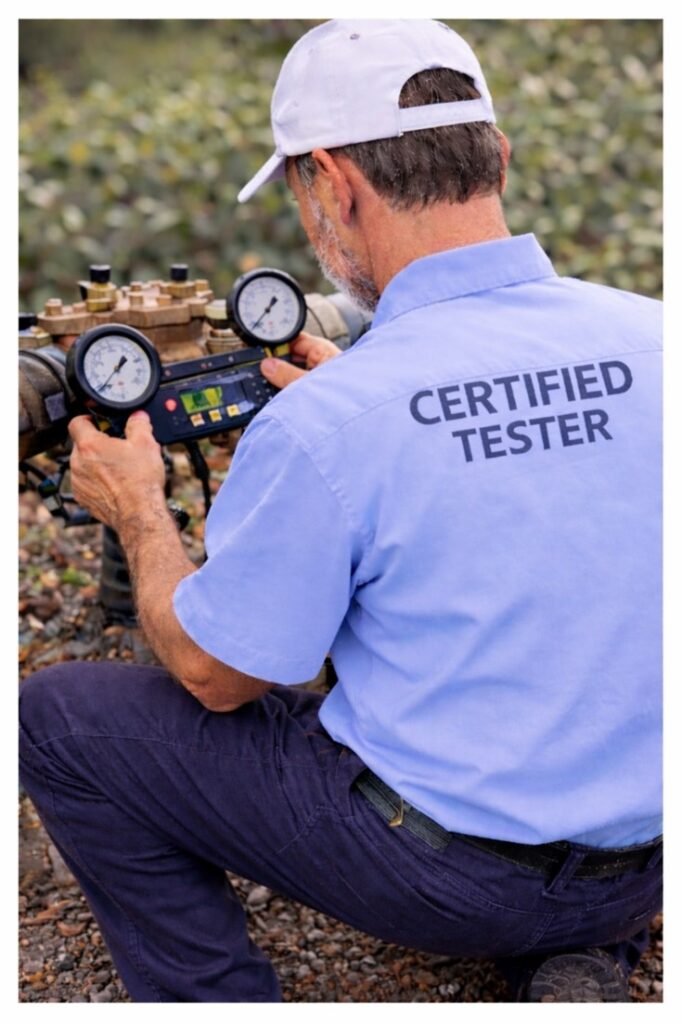
After the relocation or replacement, the assembly and installation must first be inspected by NWC and must pass a pressure test performed by an NWC-contracted certified tester before being placed into service.
Fire Protection Systems
Fire protection systems that are classified as high hazard and must be protected with a Reduced Pressure (RP) Assembly.
Fire sprinkler systems that contain any of the following are considered high hazard:
- Chemicals (foam, antifreeze, corrosion inhibitors)
- Auxiliary water supplies
- Booster pumps
Fire sprinkler systems without the above high hazards are considered low hazard and must meet the following criteria, or a backflow prevention assembly will be required:
- Must have a passive purge system. A passive purge system, as described in the Cross-Connection Control Policy Handbook (CCCPH), is a system where the fire sprinkler piping is looped within the building and connected to one or more regularly used plumbing fixture, allowing water to move regularly so it does not become stagnant.
- Piping that meets NSF/ANSI 61 standards and is installed per the NFPA Sprinkler Code.
- A single service line onto the user premises exists that subsequently splits on the property for domestic flow and fire protection system flow, such that the fire protection system may be isolated from the rest of the user premises.
📎 Fire Sprinkler Flyer

Hazard Assessments
NWC conducts hazard assessment in accordance with Article 2 of the SWRCB CCCPH to identify the cross-connection hazards, degree of hazard, and required protection.
All hazard assessments are reviewed by a certified Cross-Connection Control Specialist and documented in writing.
📎 Hazard Assessment Flyer
Non-Compliance
Failure to test by the final due date may result in testing by an NWC contractor, additional fees, or discontinuation of water service.
How Customers Can Help
Customers can help protect the PWS by:
- Keeping the backflow prevention assemblies accessible.
- Ensure annual testing is completed.
- Use only NWC-accepted testers.
- Notify NWC if an assembly is moved, failed stolen, or replaced.
- Report water theft or potential contamination risks.
Additional Information and Resources:
State Water Resources Control Board Cross-Connection Control Policy Handbook
(CCCPH)
https://www.waterboards.ca.gov/drinking_water/certlic/drinkingwater/cccph.html
USC Foundation for Cross Connection Control
https://fccchr.usc.edu/index.html